How Long Does Exterior Paint Last in Florida? Key Factors
In Florida, exterior paint typically lasts five to seven years. That’s the practical answer to how long exterior paint lasts in Florida, though the surface, sun exposure, and preparation can all affect when your home needs repainting.
It makes sense to want a fresh finish to last, especially when a repaint takes time and planning. But Florida’s strong sun, humidity, and rain put steady stress on exterior paint, so the product you choose and the work beneath it matter as much as appearance.
This article explains what lifespan to expect, why different exterior surfaces age at different rates, and how preparation influences durability. You’ll also learn what to look for in paint suited to Florida conditions, so you can make a more informed decision about your home’s next refresh.
Key Takeaways
- Use visible deterioration as a cue to assess whether your exterior needs more than a small touch-up.
- Compare repaint timing by siding and trim material, since surfaces can age at different rates.
- Prioritize thorough surface preparation to help the new coating adhere and last.
- Look for exterior paint suited to Florida conditions, including premium 100% acrylic latex options.
How Long Does Exterior Paint Last in Florida?
Exterior paint in Florida typically lasts five to seven years, but visible wear may call for attention sooner. Regularly inspect the finish to tell ordinary fading from paint failure that exposes the material underneath.
Florida or local HOA rules may affect approved exterior colors and repainting expectations. Requirements depend on the governing documents and local rules for your property, so review them before choosing a color or starting work.
Signs of Paint Wear
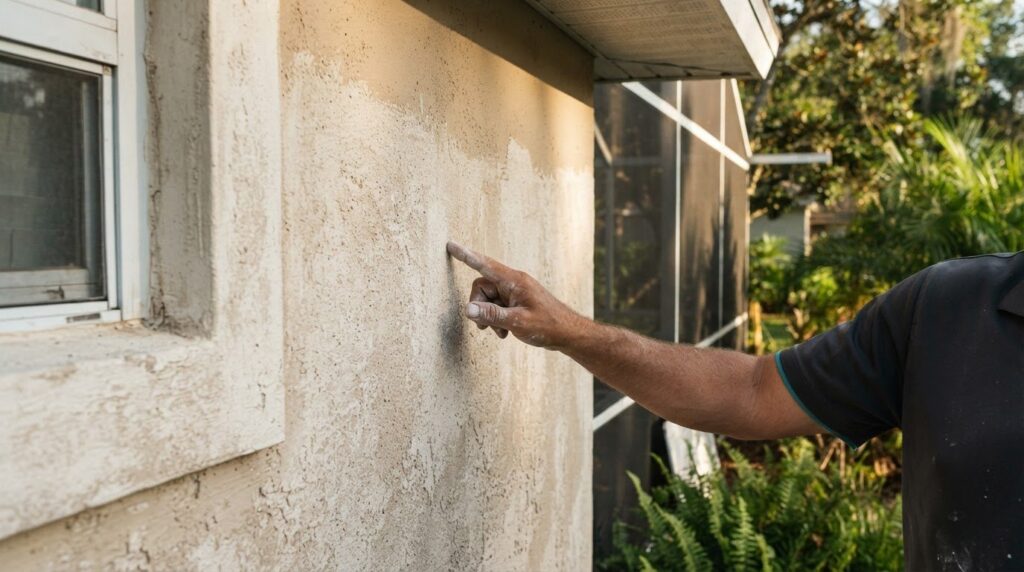
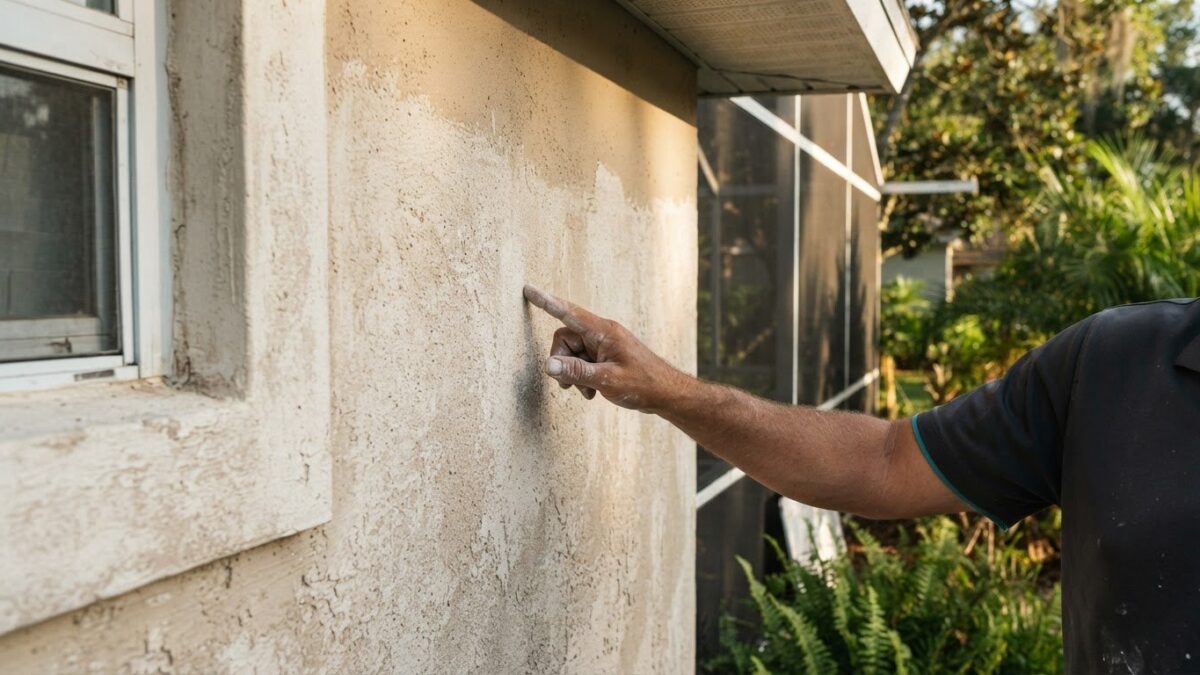
Paint wear includes fading, chalky residue, cracking, or peeling. These changes matter because a damaged finish may no longer protect the surface underneath. For example, a sun-exposed wall may fade before it peels, while cracks around trim can reveal gaps in the coating.
Inspect each side of the house, including shaded walls and areas near windows, doors, and rooflines. Compare the color and texture. Chalky residue after washing or paint flakes near the foundation may indicate more than ordinary fading. Note where the wear appears: isolated damage and widespread deterioration call for different repainting plans.
Repainting Warning Signs
Peeling, blistering, widespread cracking, and bare patches are signs that the existing coating may need replacement rather than another touch-up. When several appear together, a small dab of paint is unlikely to produce a consistent finish across the affected area.
Check for exposed wood or other bare material, especially around trim and joints. These spots may absorb moisture and deteriorate if left unprotected. A fresh coat over loose paint won’t fix the underlying problem, and primer can’t stabilize a failing finish. The condition of the old coating helps determine whether localized repairs or a full repaint is needed.
Routine maintenance helps you spot changes early. Washing the exterior annually can remove grime that hides fading, mildew, or small flakes. In Florida, rinsing the house every six months can also help limit salt and mildew buildup. Let the surfaces dry, then inspect the finish again. If wear continues across multiple areas, consider repainting instead of relying on repeated touch-ups. Clean, sound surfaces help a new coating adhere properly.
Surface preparation
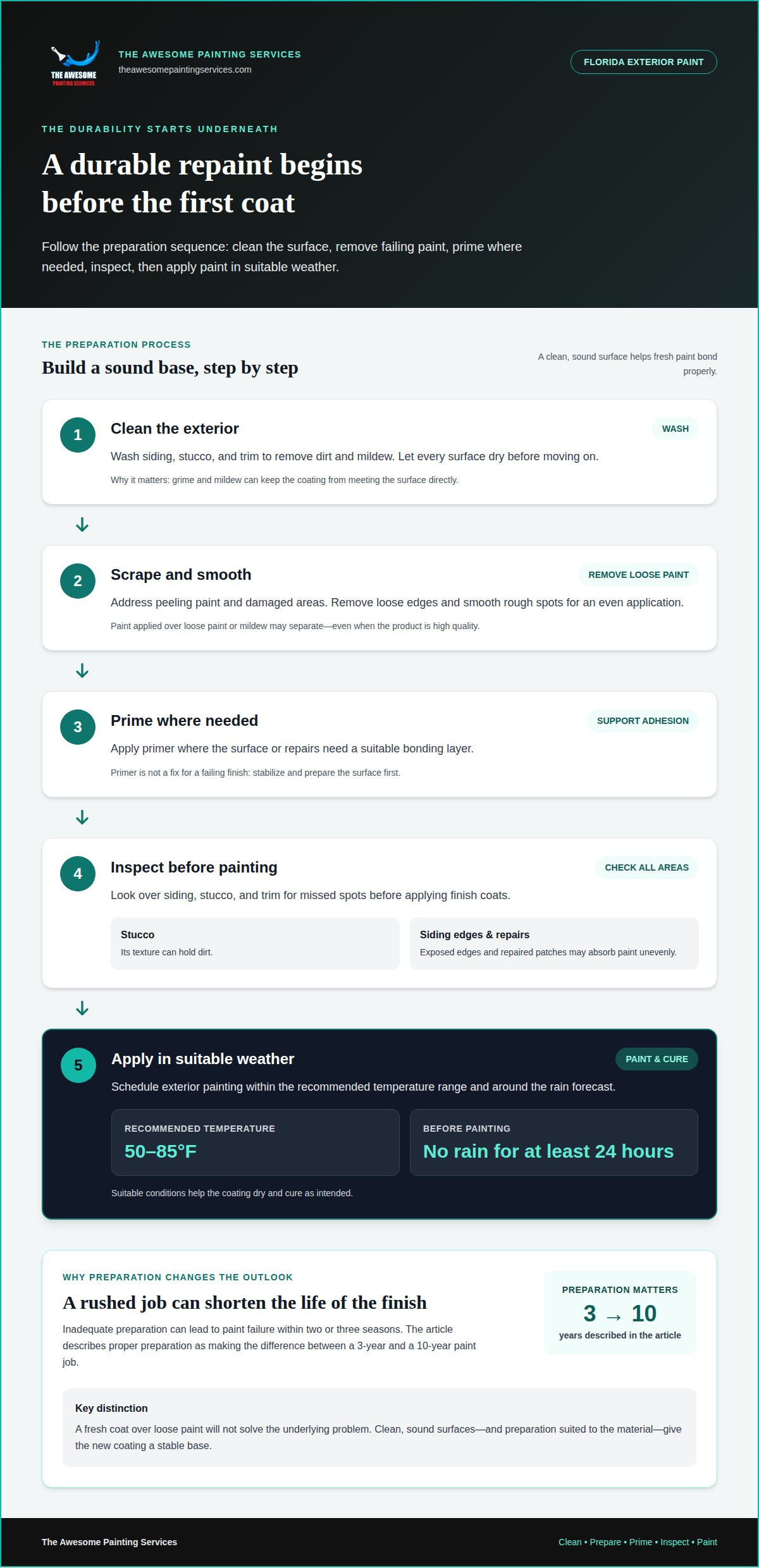
Surface preparation removes the dirt, mildew, and loose coating that can prevent fresh paint from bonding. In Florida, inadequate preparation can lead to failure within two or three seasons; proper preparation can make the difference between a 3-year and a 10-year paint job.
So, how does surface preparation affect exterior paint lifespan in Florida? Clean, sound surfaces give paint a stable base, while grime, peeling paint, and missed primer weaken adhesion. A rushed job that skips washing or priming can fail in half the time of a properly prepared one.
A sound repaint starts with washing siding, stucco, and trim, then letting each surface dry. Next, address peeling paint and damaged areas before applying primer and finish coats. Paint over mildew or loose edges may separate, even when the product is high quality.
- Clean: Remove dirt and mildew so the coating meets the surface directly.
- Scrape and smooth: Remove loose paint and prepare rough edges for an even application.
- Prime: Apply primer where the surface or repairs need a suitable bonding layer.
- Inspect: Look over siding, stucco, and trim for missed spots before painting.
Different surfaces need different preparation. Stucco can hold dirt in its texture, while exposed siding edges and repaired patches may absorb paint unevenly. Preparing each material appropriately helps create a consistent finish instead of hiding defects beneath another coat.
Weather matters during application, too. The recommended temperature range for exterior painting is 50 to 85 degrees, and the forecast should show no rain for at least 24 hours beforehand. Scheduling around suitable conditions helps the coating dry and cure as intended.
If you’re planning a repaint, professional exterior painting can bring surface assessment, preparation, and application together for a more durable finish.
Typical exterior paint lifespan in Florida
Across Florida, exterior paint commonly follows a five-to-seven-year repaint cycle, though the surface and its exposure can shift that timing. Orlando-area homeowners can consider siding material and visible wear together when deciding whether repainting is due.
Lifespan by Siding Material
The siding material beneath the paint helps determine how long the coating lasts. Comparing the home’s materials gives you a more useful estimate than applying one timeline to every exterior.
In Florida, paint on wood siding typically lasts three to seven years, while aluminum siding paint generally lasts about five years. Cement fiber siding can hold paint for 10-15 years, and engineered wood typically lasts seven to 10 years. Painted brick can last 15-20 years when done correctly. These differences reflect how each material handles exposure and coating wear.
Regional Lifespan Differences
Regional lifespan differences describe how local exposure changes repaint timing, even for homes with similar materials. This matters around Orlando, where a property’s distance from the coast and its exposure to sun and weather can affect the finish.
Coastal homes face salt air and strong sun, while inland homes experience a different mix of conditions. Florida’s typical repaint cycle is a useful starting point, but siding, preparation, and the coating’s condition also influence timing. Compare a coastal-facing wall with a sheltered side: fading or chalking may appear sooner on the more exposed surface.
Modern formulations also vary in durability. Some modern paints last only three to five years, while Florida stucco with a high-build or elastomeric system typically has a lifespan of 10-15 years. Premium acrylic paint on stucco typically lasts eight to 12 years. The product, surface, and application work together, so a formulation’s stated lifespan is only one part of the decision.
Twenty years is possible in exceptional circumstances, but it is not a normal Florida expectation. Exterior paint in cooler, drier climates typically lasts 10-15 years, while Florida’s humidity and exposure can shorten paint life. Use the material and condition of each elevation to plan a repaint, rather than relying on one estimate for the entire home.
Exterior paint types for Florida conditions
Florida’s sun, rain, humidity, and coastal exposure challenge exterior coatings in different ways. Choose paint suited to the home’s surface and conditions, with a finish designed to retain color and resist cracking and peeling.
Premium 100% acrylic latex paint is described as a durable option for Florida homes, with color retention and resistance to cracking and peeling. Those qualities matter because a coating that holds its finish can keep the exterior looking more even as weather and sunlight take their toll. Paint type supports longevity, but it cannot compensate for a surface that still has dirt, residue, or loose paint.
Compare product information by the coating’s stated composition and solids content. Exterior paint selection advice recommends at least 45% solids by weight. Solids are the material left behind as paint dries, so the percentage gives homeowners one useful point of comparison. It should be considered alongside surface compatibility and preparation, not as a stand-alone promise of paint life.
- For color retention: Consider premium 100% acrylic latex, especially where fading is a concern.
- For cracking and peeling concerns: Look for paint described as resistant to those forms of wear.
- For product comparisons: Review solids by weight, surface suitability, and the coating’s stated performance.
Coating systems vary, too. High-build or elastomeric systems and premium acrylic paint are options used on Florida stucco. The right choice depends on the existing surface and the condition of the old finish. A wall exposed to coastal salt air may face different demands from a sheltered inland wall, so consider both the material and its exposure.
Treat paint as part of a complete exterior system: clean, sound surfaces, suitable primer where needed, and application suited to the material. A premium label alone won’t prevent peeling if moisture or loose coating remains underneath. Matching the product to the home helps create a consistent, durable finish.
For a coating choice tailored to your home’s surface and exposure, plan your exterior painting with the project’s material and finish in mind.
The Awesome Painting Services: Exterior Painting
The Awesome Painting Services provides exterior painting for homeowners planning a repaint or refreshing a weathered finish. If you’re seeing fading, peeling, or widespread wear, our exterior painting service can renew your home’s appearance with a finish suited to its surfaces and Florida exposure.
Share what you’ve noticed, such as worn siding, chalking, or fading on sun-exposed walls. The condition of the existing paint and the surface underneath help determine the work needed for a cohesive result. Repainting in time can address deterioration before the exterior looks uneven.
If your home is ready for a refreshed exterior, contact The Awesome Painting Services to discuss your painting project.
Plan Your Home’s Next Fresh Finish
Knowing how long exterior paint lasts in Florida helps you plan ahead. Next, consider how you want your home to look and feel after the work. A refreshed exterior can sharpen curb appeal, while a coordinated interior update can make the whole home feel more considered.
The Awesome Painting Services offers exterior painting, interior painting, and kitchen cabinet refinishing. If your plans extend beyond the outside walls, these services can help carry a consistent vision through more of your home. Start with the areas that matter most, whether that means refreshing a weathered facade or creating a brighter, more welcoming interior.
Share your goals and what you’ve noticed on your home’s exterior. A thoughtful conversation can help turn your ideas into a clear next step. Contact The Awesome Painting Services to discuss your painting project and move toward a finish that feels fresh, polished, and distinctly yours.
Frequently Asked Questions
DIY vs Professional Painting: What Affects Longevity?
Durability depends on the quality of the work, not simply whether it’s DIY or professional. Paint applied over dusty siding or without suitable primer can lose adhesion, whoever applies it. Careful cleaning, repairs, appropriate primer, and even coverage all matter. Matching the product and application to the surface also helps prevent premature peeling and uneven wear.
What Actually Determines How Long Paint Lasts?
Exterior paint lifespan depends on the surface material, preparation, paint formulation, and exposure. A shaded masonry wall and sun-facing wood trim experience different conditions on the same property. Coastal salt deposits and moisture around joints can add stress. Consider these factors together, rather than relying on the paint label alone, when planning maintenance.
What Does Exterior Paint Failure Look Like?
Paint failure can appear as persistent peeling, blistering, cracking, or powdery residue that returns after cleaning. Look for changes across connected areas, such as trim and the siding below it, rather than judging one small patch. A touch-up may blend poorly if surrounding paint has faded or the underlying coating is unstable. That contrast can point to a larger surface issue.
What Happens If You Wait Too Long?
Waiting after paint fails can leave exterior materials exposed to moisture and make surface repairs more extensive. Peeling around a wood joint, for example, can expose the edge beneath the coating, while cracks can let water reach the material underneath. Repainting over deteriorated paint won’t create a sound base. Repair damaged areas before applying a new finish so the work addresses the problem rather than covering it.
How many years does exterior house paint last in Florida?
If you’re asking how long exterior paint lasts in Florida, the typical repaint cycle is five to seven years. The actual interval varies with surface material, exposure to sun and rain, and preparation. A well-maintained cement fiber exterior may retain its coating longer than wood siding. Use the finish’s condition and the home’s material to guide timing.
How do Florida heat, UV rays, humidity, rain, and salt air affect exterior paint lifespan?
Florida’s heat and strong UV exposure contribute to fading and coating wear. Humidity and moisture can challenge adhesion, while rain can affect vulnerable or cracked areas. Salt air leaves deposits on coastal exteriors, adding surface buildup. Conditions vary around a home, so a sun-facing wall or coastal trim may show wear sooner than a sheltered area.