Painting Wood Paneling White Cost: A 2026 Homeowner’s Guide
What shapes the painting wood paneling white cost? Wall size matters, but the paneling’s condition, profile, and desired finish can affect the work just as much. Peeling paint, worn areas, deep grooves, or a glossy existing finish may call for additional preparation. A useful estimate spells out how those details will be handled. White paint can brighten a room while keeping its paneling, but the project should start with a clear assessment of the surface.
This guide explains how panel condition, preparation, wall area, and coats influence a project estimate. It also compares painting with covering or replacing paneling, so you can weigh the options against the room’s condition and your design goals. To compare estimates fairly, look at the actual work included: which walls are covered, what preparation is planned, and what finish the project is intended to deliver.
Key Takeaways
- The painting wood paneling white cost depends on more than wall area. Panel profile, surface condition, preparation, and finish expectations all shape the estimate.
- Identify the panel material and assess its existing finish before choosing cleaning, surface preparation, repairs, or primer.
- Compare painting with covering or replacing paneling based on the wall’s condition, the texture you want, and the disruption involved.
- Review estimates side by side for preparation, repairs, primer, coats, trim, masking, and cleanup to see what each scope includes.
- A defined scope connects the panel area, its condition, and your finish goals for a white paneling project in Orlando and Central Florida.
Painting Wood Paneling White Cost: What Shapes the Estimate?
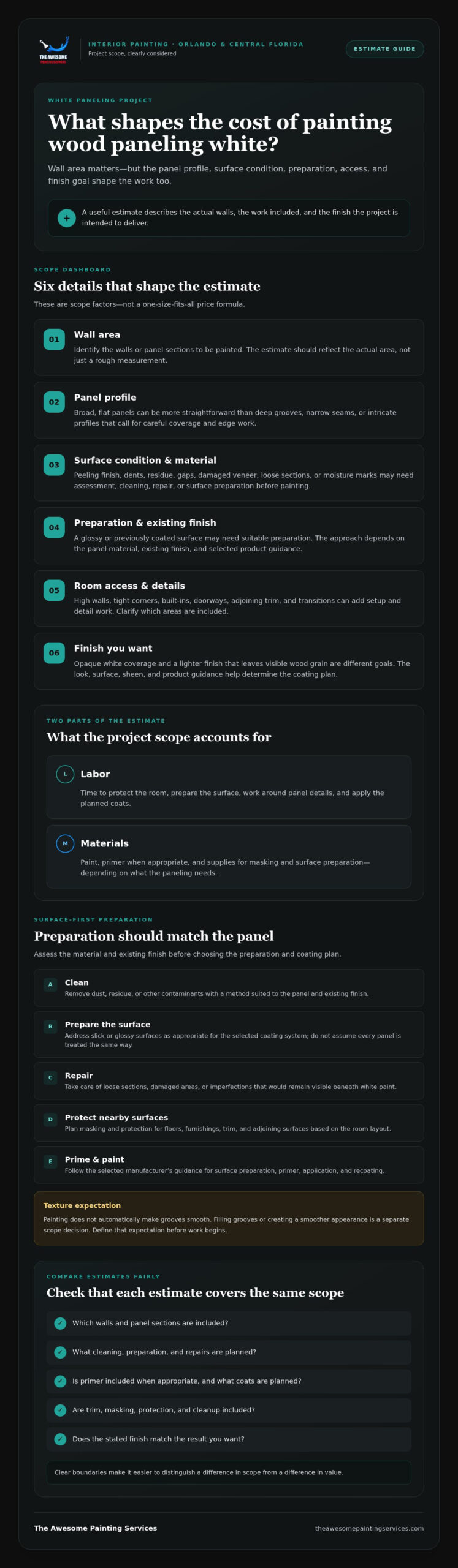
A fresh white finish can brighten a room without removing paneling that is still sound. The painting wood paneling white cost depends on more than the wall’s square footage. Panel profile, surface condition, access, preparation, and the finish you want all affect the work involved. An estimate should reflect the actual walls and the result you’re aiming for, not just a rough measurement.
It helps to look at the estimate in two parts. Labor covers the time needed to protect the room, prepare the surface, work around panel details, and apply the planned coats. Materials may include paint, primer when appropriate, and supplies for masking and surface preparation. The scope depends on what the paneling needs. For a general overview of panel types and characteristics, see Wood Paneling.
A paneling-painting estimate reflects the area, panel profile, existing condition, preparation required, access, and the finish you want.
Which project details have the biggest effect on scope?
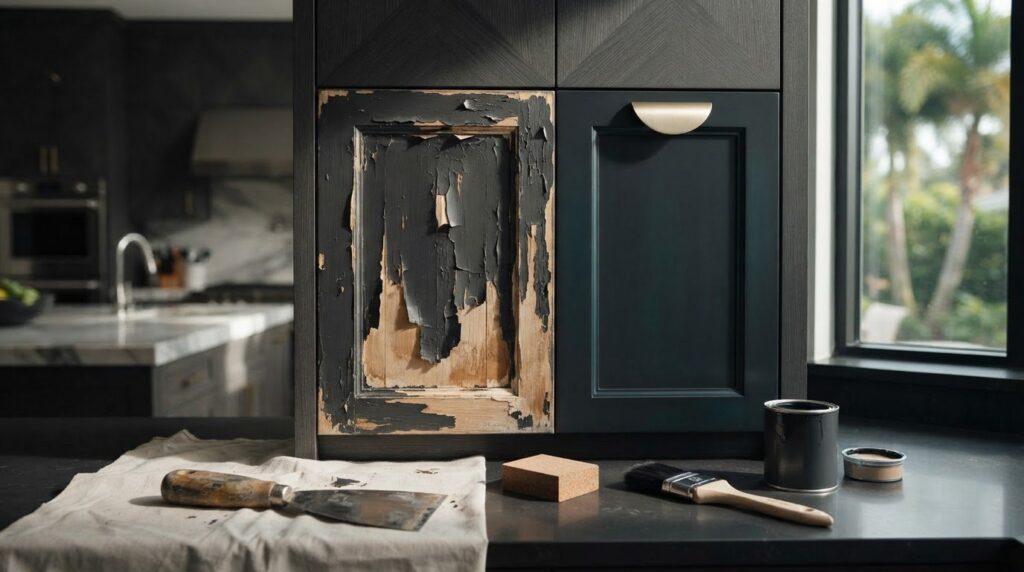
Broad, flat panels may be more straightforward to paint than boards with deep grooves, narrow seams, or intricate profiles. Those details require careful coverage and edge work. Condition matters, too. Peeling finish, dents, residue, gaps, or uneven areas may need cleaning, repair, or surface preparation before painting. Assess the existing material and finish rather than assuming every paneled wall is alike.
Room layout affects access and detail work. High walls, tight corners, built-ins, adjoining trim, and transitions to other surfaces can add careful setup. For example, one uninterrupted wall is a different scope from paneling that wraps around a room and meets several doorways or trim sections. The estimate should identify which areas and details are included.
What finish do you want the estimate to deliver?
Decide whether you want opaque white coverage or a lighter finish that leaves visible wood grain. Those are different goals, and they can call for different coating plans. The desired look, existing surface, and product guidance help determine the preparation and coats. Sheen also affects the final appearance. If you want a more uniform look, consider how much attention the surface’s dents, seams, and other imperfections will need.
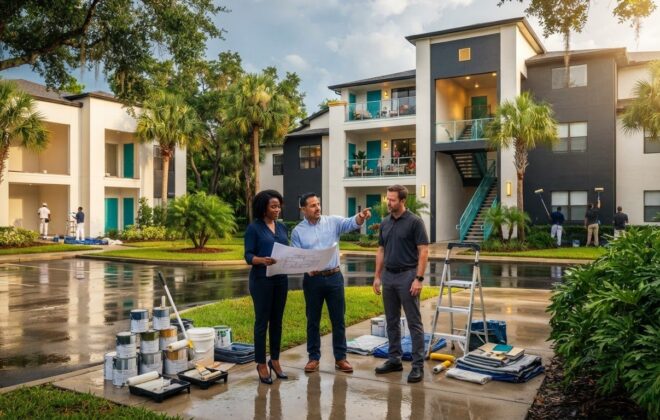
Define the project boundaries before comparing estimates. List the walls or panel sections to be painted, and say whether connected trim, doors, or adjoining areas are included. This makes it easier to distinguish a difference in scope from a difference in value. The Awesome Painting Services provides interior painting in Orlando and Central Florida, with project-based estimates shaped by square footage, surface condition, and the coats required.
How Panel Condition and Preparation Affect White Paint Results
White paint can refresh paneling, but an even-looking finish starts with understanding the surface beneath it. Panels that look similar from across the room may be made from different materials or have different existing finishes. Those differences affect the preparation and coating plan. Choosing products before assessing the wall can mean overlooking needed work or selecting an unsuitable system.
The result depends on preparation suited to the panel’s material, condition, and existing finish. That’s why the painting wood paneling white cost can reflect more than visible wall area. Cleaning, surface preparation, repairs, and priming may vary across the project.
How do grooves, veneer, and existing finishes change preparation?
Solid wood is made from wood throughout, while veneer has a thin layer of real wood over a different core. Manufactured panels use materials such as fiberboard or other wood-based composites. These surfaces can respond differently to sanding and coatings, so identifying the material helps inform the preparation plan. Deep grooves and seams also need deliberate coverage. Painting them does not automatically make the wall smooth.
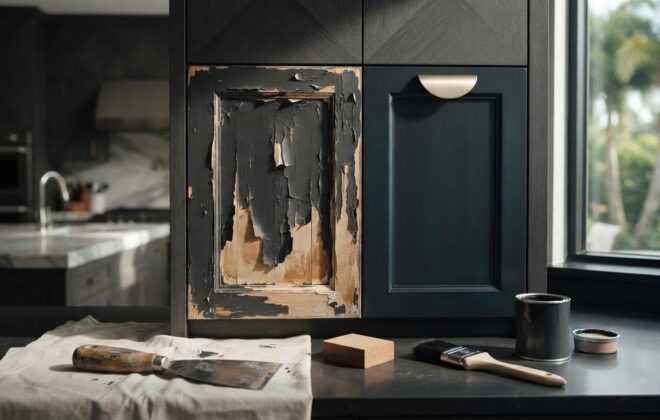
A glossy or previously coated surface may need suitable preparation to help a new coating adhere. The right approach depends on the existing finish and the selected product’s instructions. Damaged veneer, loose sections, peeling areas, or moisture marks also need attention before painting. For example, a lifted veneer edge may need repair, while a moisture mark may indicate an underlying issue to address before coating the surface.
What happens before primer and white paint go on?
Preparation should suit the surface, rather than follow a one-size-fits-all checklist. A typical scope may include:
- Cleaning: Removing dust, residue, or other surface contaminants with a method suited to the panel and its existing finish.
- Scuff preparation: Addressing a slick or glossy surface as appropriate for the chosen coating system, without assuming every panel can be treated the same way.
- Repairs: Taking care of loose sections, damaged areas, or imperfections that would remain visible beneath white paint.
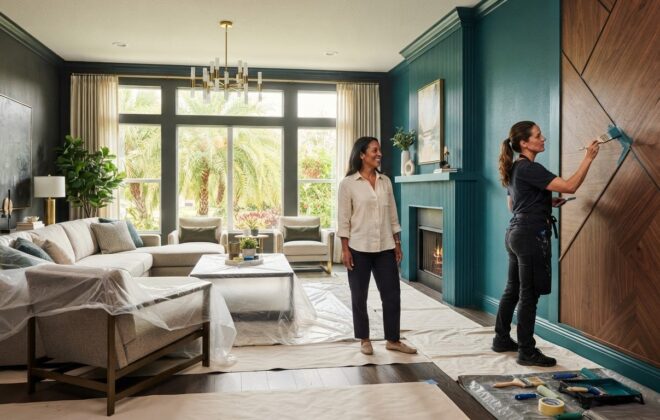
- Protection: Masking and protecting nearby floors, furnishings, trim, and adjoining surfaces based on the room layout.
- Priming and painting: Following the selected manufacturer’s guidance for surface preparation, primer, application, and recoating.
Choose primer and follow coating instructions according to the manufacturer’s guidance for the panel material and existing finish. Grooves may remain visible after painting. Filling them or creating a smoother appearance is a separate scope decision, so define that expectation before work begins.
The Awesome Painting Services provides residential interior painting in Orlando, including white finishes planned around the condition and details of the paneling.
Painting Wood Paneling White vs. Covering or Replacing It
Painting, covering, and replacing paneling can all change a room, but each creates a different result and project scope. The right approach depends on the wall’s condition and whether you want to keep its existing profile or create a different surface. Painting can update sound paneling while retaining its grooves and character. Covering adds a new surface over the existing panels. Replacement removes the panels and makes room for another material or layout.
There’s no automatic winner. The painting wood paneling white cost depends on the work the existing surface needs. Covering and replacement involve their own materials, preparation, and finishing steps. Compare the options by asking what needs to change, what can stay, and how much disruption the room can accommodate.
When is painting existing paneling a sensible option?
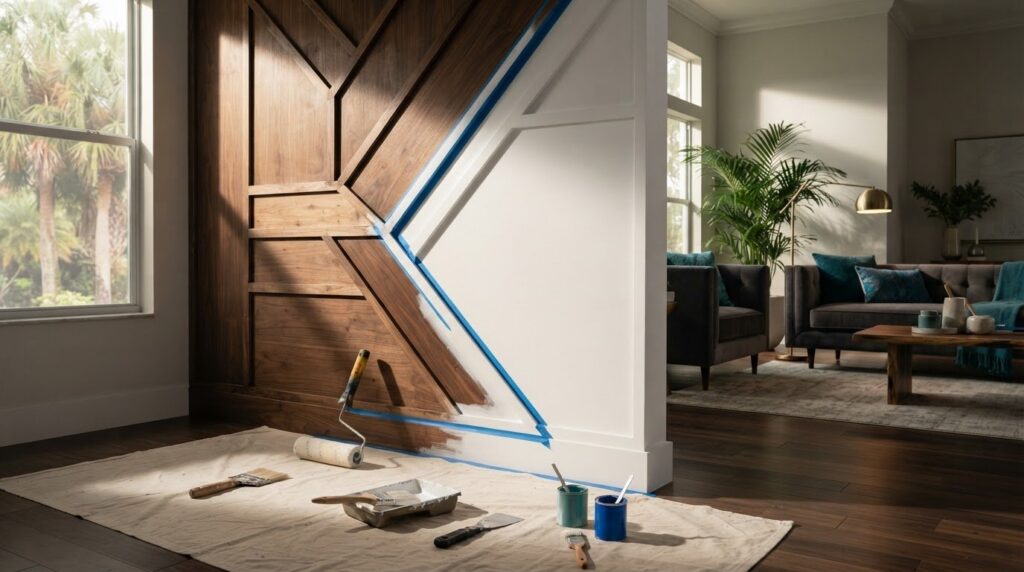
Painting may suit a room where the panels are sound and the goal is a brighter, more contemporary look. White paint can refresh the space while keeping the original panel lines, grooves, or other details visible. If you like the wall’s texture but not its current color or finish, painting changes the look without removing that character.
Separate cosmetic updates from problems that need attention first. Peeling finish or small imperfections may be part of the preparation scope, but damaged panels or moisture-affected areas need careful assessment before painting. A new color changes the appearance; it does not resolve the cause of damage. This distinction helps keep the project plan focused on both the desired look and the wall’s condition.
When might covering or replacement better match the goal?
Consider another approach if you want a new texture, a changed wall plane, or a material the existing paneling cannot provide. Covering may change the visible surface while leaving the old panels in place, but it adds material and can affect edges, trim, and transitions to nearby walls. Replacement involves removing the panels and finishing the wall around the new surface. Either option can expand the work beyond a paint update.
Think through these questions before settling on a direction:
- Do you want to keep the panel profile? If so, painting can preserve the detail you already have.
- Are you aiming for a different surface or design? Covering or replacement may better support that change.
- Does the paneling need repair? Consider its condition before treating any option as a simple cosmetic project.
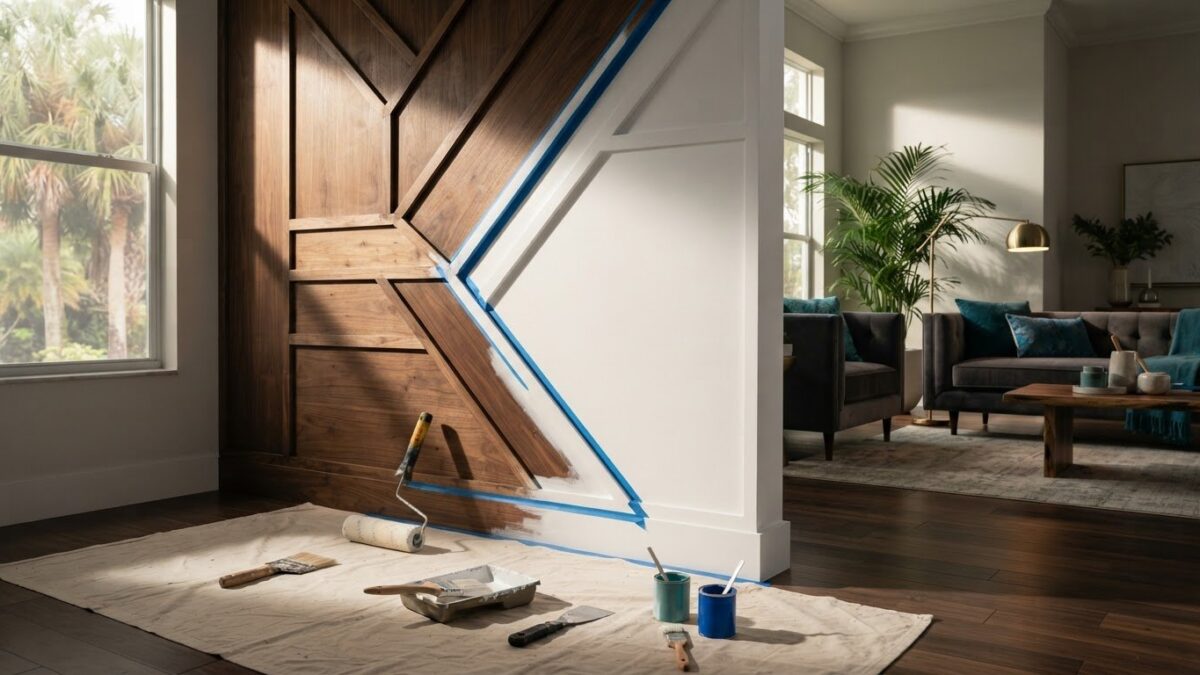
- Are you changing one feature wall? A geometric wood accent wall can take the design beyond repainting.
Use the same decision principle for any surface update: compare the condition of what you have with the finish you want. For paneling, weigh the intended look, disruption, and full scope together. Painting keeps the existing wall profile; covering or replacement changes more of the surface and can require additional work at trim and transitions.
How to Compare Estimates for Painting Wood Paneling White
A useful estimate makes the planned work clear. Before comparing totals, check that each estimate describes a similar area, preparation plan, and finished look. The painting wood paneling white cost can change with square footage, panel condition, repairs, and coats required. A lower total may reflect a narrower scope rather than better value.
What should a clearly scoped estimate describe?
Look for a written description of the rooms and panel surfaces included, along with adjacent trim, edges, and transitions. The estimate should explain the planned surface preparation, repairs, priming, and painting. It should also state the intended finish and number of coats, and describe masking and cleanup. Specific scope details make it easier to understand what the finished project covers.
How can you compare estimates fairly?
Use the same project details as your comparison checklist. The Awesome Painting Services bases residential painting estimates on square footage, surface condition, and coats required. A defined scope makes it easier to compare the work and understand the intended room finish.
- Match the surfaces. Confirm each estimate covers the same rooms, panel walls, and connected trim. A total for one wall should not be compared directly with a whole-room estimate.
- Compare preparation. Check whether cleaning, sanding or scuff preparation, and other surface work are described. Note which repairs are included and which are listed separately.
- Check priming and coats. Compare the stated primer plan, number of finish coats, and expected result. Opaque white coverage and a finish that preserves visible grain may require different plans.
- Review room protection. Look for masking, protection of nearby surfaces, and cleanup. These details clarify what is included in the project.
- Separate scope changes. Identify optional repairs or added areas so you can compare the core work consistently. If the panel condition or finish goal changes, the scope may change too.
Read the scope before focusing on the total. For example, an estimate that includes trim, extra surface preparation, and additional coats may cover more work than one that excludes those items. A repair listed separately is not necessarily missing from the estimate, but it should be distinguished from the base painting scope so you can compare like with like.
The Awesome Painting Services provides residential painting services with project scopes based on the area, surface condition, and coats required.
White Paneling Painting in Orlando: From Estimate to Finished Room
A bright white finish can refresh a familiar room while keeping the paneling’s original character. The Awesome Painting Services provides residential painting in Orlando and Central Florida, with estimates shaped by the actual space rather than a one-size-fits-all package. Homeowners in Orlando, Windermere, Winter Springs, Winter Park, Celebration, Claremont, Zellwood, Alafaya, and Oviedo can plan a paneling project around the area, its condition, the preparation needed, and the finish they want.
A clear scope connects the starting surface to the intended result. It identifies which walls are included, what preparation is planned, and how many coats the project requires. That shared understanding helps clarify the work before painting begins and keeps finish expectations aligned with the room.
What can homeowners expect from a professional painting project?
The work moves from assessing the surface to preparing and painting it, then reviewing the finished areas. Each stage informs the next. An assessment helps shape the preparation plan; protection helps keep paint off adjoining surfaces; and the agreed finish gives the final review a clear reference point. The details depend on the paneling and room, not a fixed formula.
- Surface assessment: Review the paneling’s material and condition, and identify the areas included.
- Project preparation: Plan surface preparation and protect nearby floors, trim, furnishings, and transitions as appropriate.
- Coating work: Apply the selected coating system according to the surface needs and manufacturer instructions, including guidance on drying and environmental conditions.
- Final review: Compare the finished work with the agreed scope and expectations for the white finish.
Indoor humidity and room conditions can affect drying, so application and recoating should follow the coating manufacturer’s guidance. Timelines and product details depend on the project. A plan tailored to the panel type, room conditions, and preparation required is more useful than a blanket timeline for every home.
How do you move from an idea to a finished white room?
Start with a few practical details: which room or walls you want painted, what you know about the panel material, its visible condition, and whether you prefer opaque white coverage or visible wood grain. Decide whether nearby trim belongs in the project, too. You do not need to know every technical detail. Clear observations and a picture of the finish you want give the project scope a useful starting point.
From there, the project can be planned around the measured panel area, surface condition, preparation, coats required, and desired finish. For Orlando-area homeowners planning a paneling update, The Awesome Painting Services provides residential painting tailored to the project scope.
Turn Your White Paneling Vision Into a Clear Plan
A white finish is more than a color choice. It affects how the room feels and which existing details stand out. Before moving ahead, picture the result you want: crisp and opaque, softly textured, or designed to leave some wood character visible. That gives the project a practical starting point.
As you consider the painting wood paneling white cost, focus on whether the proposed work supports that result. A clear scope connects the finish you imagine with the preparation and painting the surface needs. If you’re still weighing options, start with the room and the feeling you want it to create. Then compare the surface condition, included work, and finish plan.
For a white paneling project in Orlando or Central Florida, plan your project with The Awesome Painting Services.
Frequently Asked Questions
How much does it cost to paint wood paneling white?
There’s no single price for painting wood paneling white because each project has a different surface and scope. The painting wood paneling white cost depends on the panel area, its condition, preparation, and the coats required for your chosen finish. For a useful estimate, note which walls are included, whether trim is part of the work, and any visible peeling or damage. The Awesome Painting Services provides project-based residential painting in Orlando and Central Florida.
Is it cheaper to paint wood paneling or replace it?
Painting can avoid removing sound panels, but it is not automatically the less costly choice for every wall. Replacement may involve removal, new materials, and finishing adjacent areas. Painting may require extra preparation if the existing surface is worn or damaged. Compare the full scope and intended result. If you want a different wall texture rather than a new color, replacement or covering may better fit the goal, even if it involves more work.
Can you paint over wood paneling without sanding?
Sometimes, but do not assume sanding or other surface preparation can be skipped. A glossy coating may need suitable scuff preparation, while a sound surface with a different finish may call for another approach. Identify the panel material and existing coating, then follow the preparation guidance for the chosen primer and paint. If the finish is peeling or the panel is damaged, address that condition before applying new paint.
How many coats of paint does wood paneling need?
The number of coats depends on the panel’s starting color and condition, the selected coating system, and the coverage the white finish requires. Primer, where appropriate, is separate from finish paint. Follow the manufacturer’s directions for application and recoating, and assess coverage after each coat has dried as directed. Deep grooves or seams may need careful attention so the color looks consistent across panel faces and details.
What kind of primer should be used on wood paneling?
Choose a primer the manufacturer identifies as suitable for the panel material and existing finish. Solid wood, veneer, and manufactured panels can have different surface characteristics, so do not assume one primer suits every wall. Stains or a slick coating may also affect product selection. Read the label and technical guidance for preparation, compatibility, application, and drying before starting.
Does painting wood paneling white make a room look bigger?
White paneling can make a room feel brighter and more open by reflecting available light, though it does not change the room’s actual dimensions. The effect also depends on natural light, wall details, and how the white relates to the ceiling and trim. A bright finish may lift a dim room, while deep grooves can still create visible shadows. Testing a small area can help you judge the look in your own lighting.
How long does it take to paint a room with wood paneling?
There is no single reliable timeline for every room. The panel area, surface preparation, repairs, number of coats, and manufacturer-directed drying and recoating times all affect the schedule. Indoor humidity and ventilation can also influence drying, so product instructions matter, especially in Orlando’s warm, humid climate. A project plan should account for the specific room and coating system rather than promise a fixed duration for every home.