Finding the Best Home Painting Contractors for Your Next Project
Thinking about giving your home a fresh coat of paint? It’s a big job, and finding the right people to do it can feel overwhelming. Whether you’re looking to brighten up your living room or protect your home’s exterior from the Florida sun, choosing good home painting contractors is key. Here at The Awesome Painting Services, we know that a great paint job makes all the difference. We’re Orlando painters who want to help you find the best pros for your house painting in Orlando, so your project turns out just right.
Key Takeaways
- Figure out exactly what you need painted, inside and out, before you start looking for help.
- Look for local home painting contractors and check if they have the right papers and good reviews.
- Ask potential companies about their past jobs and see if they have experience with projects like yours.
- Get clear price details from a few different contractors and compare what they include.
- Make sure you can talk easily with your chosen painters and have a clear agreement before they start.
Understanding Your Home Painting Needs
Before you even start looking for painters, it’s a good idea to get a handle on what you actually want done. Thinking through the details now can save you a lot of headaches later. It’s not just about picking a color, you know?
Assessing Interior Painting Projects
When you’re thinking about painting the inside of your house, consider each room. Are you just refreshing a living room, or are you tackling a whole house repaint? Think about the surfaces too. Walls are obvious, but what about ceilings, trim, doors, and even cabinets? Each might need different prep work or paint types. For example, a high-traffic hallway might need a more durable paint finish than a guest bedroom that’s rarely used. Knowing the scope helps you communicate your needs clearly to potential contractors.
Here are some things to think about for interior jobs:
- Room Function: How is the room used? A kitchen or bathroom might need moisture-resistant paint.
- Surface Condition: Are there cracks, water stains, or old wallpaper to deal with?
- Desired Finish: Do you want a matte, eggshell, satin, semi-gloss, or high-gloss look?
- Color Changes: Are you going from dark to light, or light to dark? This can affect the number of coats needed.
Evaluating Exterior Painting Requirements
Painting the outside of your home is a bigger job, and it protects your biggest investment. You’ll want to think about the materials of your house. Is it wood siding, stucco, brick, or vinyl? Each material has its own way of being painted and its own challenges. The condition of the current paint is also a big factor. Is it peeling, chalking, or just faded?
Exterior painting involves more than just aesthetics:
- Surface Type: Wood needs different treatment than brick or vinyl.
- Weather Exposure: Areas with harsh sun or lots of rain might require more robust paint.
- Prep Work: Power washing, scraping, sanding, and priming are often necessary.
- Trim and Details: Don’t forget about gutters, window frames, doors, and any decorative elements.
The weather plays a huge role in exterior painting. Contractors need specific temperature and humidity ranges to apply paint correctly so it adheres well and dries properly. This means the timing of your project can be influenced by the seasons.
Considering Special Surface Painting
Sometimes, you have surfaces that aren’t your standard walls or siding. Think about things like decks, fences, metal railings, or even concrete floors in a basement. These often require specialized paints and techniques. For instance, a deck needs a stain or coating that can handle foot traffic and weather, while a metal railing might need rust-inhibiting primer.
Here’s a quick look at some special surfaces:
- Wood Decks/Fences: Require stains or sealants for protection and appearance.
- Metal Surfaces: Need rust-preventative primers and appropriate topcoats.
- Concrete: Can be painted or sealed, but needs proper cleaning and a suitable product.
- Cabinets/Furniture: Often require a very smooth finish and durable paint, sometimes involving spraying.
Finding Qualified Home Painting Contractors
Okay, so you know what you want done, but how do you actually find someone to do it? It feels like a big decision, right? You’re letting strangers into your home, and you want the job done well. Let’s break down how to find painters who are actually good at what they do.
Where to Look for Local Painters
First off, where do you even start looking? Your neighbors are a great resource. Ask friends, family, or people in your neighborhood who they’ve used and liked. Word-of-mouth recommendations are often the best. You can also check online. Sites like Google Maps, Yelp, or even local Facebook groups can show you painters in your area. Just remember to look beyond just the star ratings; read what people are actually saying.
- Ask friends and family for referrals.
- Check local online directories and community groups.
- Look for painters who have a physical office or a long-standing local presence.
Checking Credentials and Licenses
This is where you weed out the amateurs. You don’t want someone who just picked up a brush yesterday. A good painter will have the right paperwork. This means checking if they are licensed in your state or city, if that’s required. It shows they’re serious about their business. Also, ask if they have insurance. This protects you if something goes wrong, like accidental damage to your property or an injury on the job. It’s not being difficult; it’s being smart.
A painter who is properly licensed and insured is a sign of professionalism and reliability. It means they’ve met certain standards and are prepared for unexpected issues.
Reviewing Portfolios and Past Work
Seeing is believing, right? Most professional painters will have a portfolio. This could be a physical book of photos or an online gallery on their website. Look at pictures of their previous jobs. Do the lines look clean? Is the paint applied evenly? Does the finished work look neat and tidy? If possible, ask if you can see a job they’ve recently completed in person, or at least talk to a couple of their past clients. Hearing directly from someone who hired them can tell you a lot about their reliability and the quality of their work.
- Examine photos of completed projects.
- Look for clean lines and even paint application.
- Request references from previous clients.
- Consider visiting a recently completed job site if feasible.
Evaluating Potential Painting Companies
So, you’ve found a few painters who seem promising. That’s great! But before you get too excited, it’s smart to take a closer look at the companies themselves. It’s not just about who can wield a brush; it’s about finding a team that’s reliable, professional, and a good fit for your specific project. Think of it like hiring someone to work in your home – you want to know they’re legit.
Understanding Service Offerings
Most painting companies do more than just slap paint on walls. They might offer a range of services, and knowing what they actually do can save you headaches later. Some focus only on interior or exterior, while others do both. You might also find companies that specialize in certain types of jobs, like historical homes or commercial buildings. It’s good to see if their services line up with what you need.
Here’s a quick rundown of what to ask about:
- Interior Painting: Walls, ceilings, trim, doors, cabinets, and more.
- Exterior Painting: Siding, decks, fences, trim, and even pressure washing.
- Surface Preparation: This is a big one! Do they include sanding, scraping, priming, and minor repairs?
- Specialty Services: Some might do wallpaper removal, staining, or even color consultations.
Assessing Experience and Specializations
How long has the company been around? A business that’s been operating for a decade or more likely knows what they’re doing and has a solid reputation. Also, consider if they have experience with the type of project you have. Painting a historic Victorian is different from painting a modern condo, for example. If you have tricky surfaces or unique needs, look for a company that has tackled similar jobs before. Don’t be afraid to ask them directly about their experience with your specific situation.
Looking for Insurance and Bonding
This is super important, and honestly, it’s a non-negotiable for me. You want to make sure the company you hire is properly insured. This protects you if something goes wrong, like an accident on your property or damage to your home. A reputable company will have general liability insurance. Bonding is also a good sign; it’s a type of insurance that protects you financially if the contractor fails to complete the job or pay their workers and suppliers. Always ask for proof of insurance and bonding – don’t just take their word for it.
When you’re vetting painting companies, think about what makes you feel comfortable. It’s a mix of their professional track record, the services they provide, and the peace of mind that comes with knowing they’re covered if something unexpected happens. Don’t rush this part; it sets the stage for the whole project.
Here’s a simple way to compare:
| Feature | Company A | Company B | Company C |
|---|---|---|---|
| Years in Business | 15 | 3 | 8 |
| Interior/Exterior | Both | Interior | Both |
| Insurance Verified | Yes | Yes | Yes |
| Bonding Verified | Yes | No | Yes |
| Specialization | N/A | Cabinets | Historic Homes |
| References Provided | Yes | Yes | Yes |
Getting Accurate Estimates from Contractors
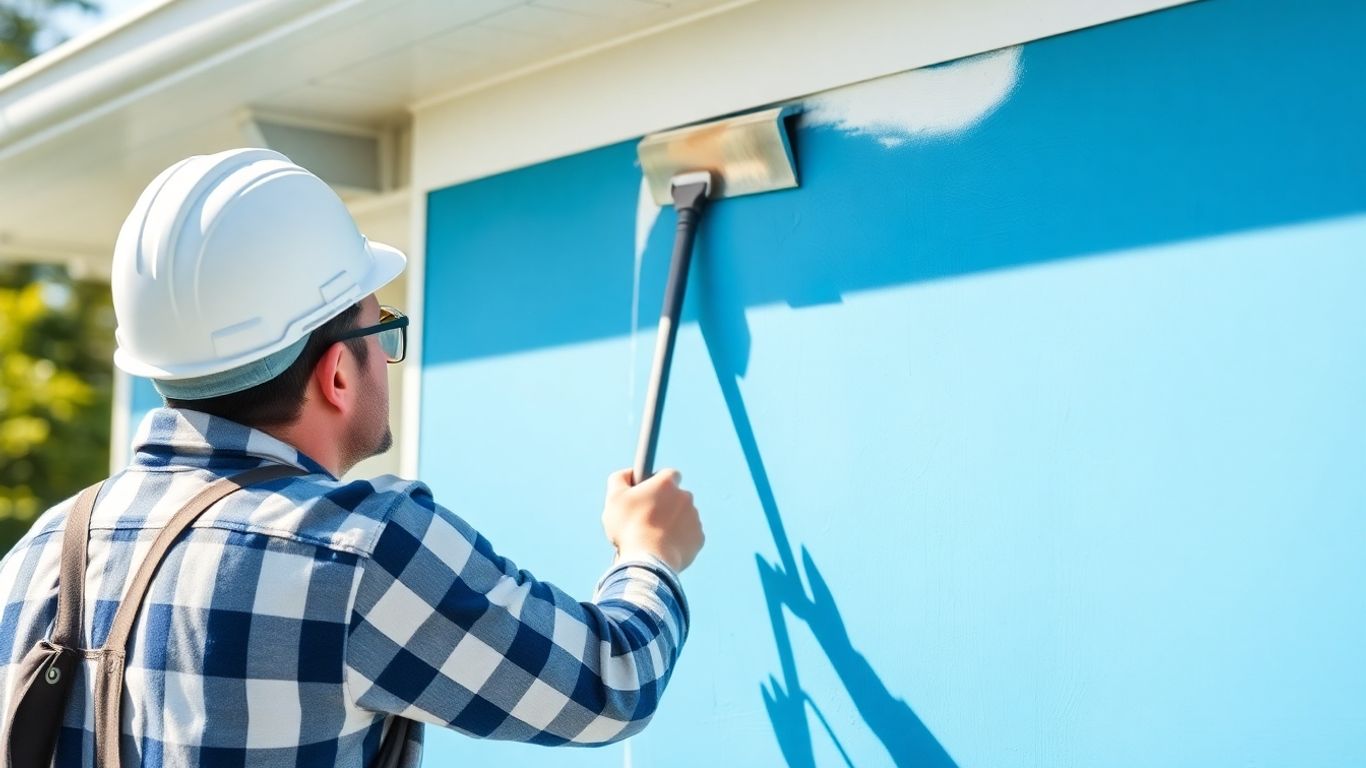
Okay, so you’ve found a few painters you like. Now comes the part where you need to figure out how much this whole thing is going to cost. Getting estimates isn’t just about getting a number; it’s about understanding what you’re paying for and making sure you and the contractor are on the same page. This is where you really start to compare apples to apples.
What to Expect in a Painting Quote
A good quote, or estimate, should be more than just a dollar amount. It’s a breakdown of the work. Think of it as a mini-plan for your painting project. Here’s what you should generally see:
- Scope of Work: This details exactly which areas will be painted, what prep work is involved (like patching holes, sanding, or cleaning), and what kind of paint and finishes will be used. Make sure it matches what you discussed.
- Materials: A list of the paint, primer, caulk, and any other supplies needed. Sometimes this is a lump sum, other times it’s itemized.
- Labor: This is the cost for the painters’ time and skill. It might be an hourly rate or a fixed price for the whole job.
- Timeline: An estimated start and completion date. This helps you plan.
- Payment Schedule: How and when you’ll need to pay. More on this in a bit.
Comparing Bids Fairly
It’s tempting to just pick the lowest price, but hold on a second. A super low bid might mean they’re cutting corners somewhere. When you get quotes from different painters, lay them out side-by-side. Look for:
- Consistency: Do the quotes cover the same amount of work? If one quote is missing a step you know is needed, that’s a red flag.
- Detail Level: A more detailed quote usually means the contractor has thought through the project more thoroughly.
- Materials Specified: Are they using the same quality of paint? A cheaper paint might not last as long, costing you more in the long run.
Here’s a quick way to compare:
| Feature | Contractor A | Contractor B | Contractor C |
|---|---|---|---|
| Prep Work Included | Yes | Yes | No |
| Paint Brand | Sherwin-Wms | Benjamin Moore | Behr |
| Number of Coats | 2 | 2 | 1 |
| Estimated Days | 5 | 4 | 3 |
| Total Cost | $3,500 | $3,200 | $2,800 |
Looking at this table, Contractor C is the cheapest, but they aren’t including prep work and are only doing one coat. That might not be a good deal after all.
Understanding Payment Terms
Payment is a big deal. Most contractors won’t ask for the full amount upfront. A common setup is a deposit to secure your spot on their schedule and buy materials, with the rest paid upon completion.
Be wary of contractors who demand a large portion of the payment upfront, or who want to be paid in full before the job is even finished. It’s standard practice to have a deposit, a potential progress payment for larger jobs, and the final payment once you’re happy with the work.
Some common payment structures include:
- Deposit + Final Payment: A typical split might be 30-50% down and the rest upon completion. This is common for smaller to medium-sized jobs.
- Progress Payments: For longer projects, you might pay in stages as certain milestones are reached. This could be something like 30% down, 30% halfway through, and 40% at the end.
- Final Payment Upon Satisfaction: The best scenario is paying the final amount only after you’ve inspected the work and are completely satisfied.
Always get the payment terms clearly written down in the contract before any work begins.
Ensuring a Smooth Painting Process
So, you’ve picked the perfect paint colors and found a great contractor. Awesome! But how do you make sure the actual painting part goes off without a hitch? It’s not just about the paint itself; it’s about the whole experience from start to finish. A little bit of planning and clear communication can make a world of difference.
Communication is Key with Your Contractor
This is probably the most important part. You need to feel like you can talk to your painter about anything, big or small. Don’t be shy! Ask questions if you’re unsure about something. A good contractor will be happy to explain their process and address any concerns you have. It’s a good idea to establish how you’ll communicate from the get-go. Will it be daily check-ins, a weekly call, or just texts when something comes up? Figure this out early.
- Set up a clear communication plan.
- Ask about their preferred method of contact.
- Don’t hesitate to voice any worries.
Keeping the lines of communication open means fewer surprises and a better outcome for everyone involved. It builds trust and makes the whole project feel less stressful.
Preparing Your Home for Painters
While the painters will handle the actual painting, there are things you can do to help them out and protect your belongings. This makes their job easier and speeds things up. Think of it as getting your house ready for a spa day – for the walls, anyway!
- Clear out the rooms: Move furniture away from the walls. If you have large pieces, ask the painters if they can help move them to the center of the room and cover them. Small items like decor and knick-knacks should be removed entirely.
- Protect floors and fixtures: Cover floors with drop cloths. While painters usually bring their own, having extra protection doesn’t hurt. Also, remove any wall hangings, outlet covers, and switch plates in the areas being painted.
- Address any pre-existing issues: If there are holes, cracks, or peeling paint, point these out to your contractor beforehand. They’ll likely include patching and prep work in their quote, but it’s good to be on the same page.
The Painting Day Experience
On painting day, try to be available, at least for the initial part. This is when you can do a final walkthrough with the crew leader, point out any specific areas you’re concerned about, and answer any last-minute questions they might have. They’ll likely cover everything, but it’s wise to keep pets and small children out of the way to avoid accidents. You might want to plan to be out of the house for a good portion of the day, especially if multiple rooms are being done. This gives them space to work and lets you avoid the dust and fumes. When they’re finished, do a thorough inspection before making the final payment. Check for even coverage, clean lines, and any drips or missed spots. A good contractor will want you to be happy and will address any touch-ups needed. Finding a reliable painting company can make all the difference in your home’s look and feel.
Choosing the Right Home Painting Contractors
So, you’ve gone through the steps, checked out portfolios, and gotten a few bids. Now comes the part where you actually pick the painter. It’s a big decision, and honestly, it can feel a little overwhelming. You want someone you can trust to do a good job and not cause a headache.
Trusting Your Gut Feeling
Sometimes, after all the checking and comparing, it just comes down to how you feel about a contractor. Did they seem honest? Were they easy to talk to? Did they answer your questions without making you feel silly? Your intuition is a powerful tool here. If something feels off, even if you can’t quite put your finger on it, it might be worth paying attention to that feeling. A good working relationship is built on more than just a price; it’s about comfort and confidence.
Finalizing Your Decision
Once you’ve narrowed it down, take a moment to review everything. Think about the contractor who seemed most professional, whose past work impressed you the most, and who you felt most comfortable communicating with. It’s not just about the lowest price, though that’s important. Consider the overall value they offer – the quality of their materials, their attention to detail, and their reliability.
Here’s a quick checklist to help you finalize:
- Communication: Did they listen well and explain things clearly?
- Professionalism: Were they punctual and organized throughout the process?
- Quality of Work: Does their past work show the level of detail you’re looking for?
- Price: Does the bid seem fair for the work described?
What to Look for in a Contract
Before any paint hits the walls, you need a solid contract. This document is your protection and a clear roadmap for the project. Don’t just skim it; read every part carefully. A good contract should include:
- Detailed Scope of Work: Exactly what areas will be painted, how many coats, and what prep work is included (like patching holes or sanding).
- Materials: Specifics on the type and brand of paint and primer to be used.
- Timeline: Start and estimated completion dates.
- Payment Schedule: When payments are due (usually a deposit, progress payments, and a final payment upon completion).
- Warranty: What kind of guarantee do they offer on their work?
- Change Order Process: How will any changes to the original plan be handled and priced?
A contract isn’t meant to be a trap; it’s a clear agreement that sets expectations for both you and the painting company. It helps prevent misunderstandings down the road and makes sure everyone is on the same page about what needs to get done and how it will be done.
Taking the time to choose the right contractor and finalize a clear contract will save you a lot of potential stress and lead to a much better outcome for your home painting project. It’s worth the effort!
Picking the right people to paint your home can feel like a big decision. You want a team that’s skilled, reliable, and makes your house look amazing. Don’t stress about finding the perfect fit! We’re here to help you make the best choice for your painting project. Ready to get started on making your home look its best? Visit our website today to learn more and get a free quote!
Ready to Get Your Orlando Home Painted?
So, finding the right painters for your house painting in Orlando project doesn’t have to be a headache. Remember to check references, get a few quotes, and trust your gut. A good painter will make the whole process smooth, from the first brushstroke to the final cleanup. If you’re in the Orlando area and looking for reliable house painters, we at The Awesome Painting Services are here to help. We love making homes look their best, whether it’s a fresh coat of interior painting Orlando needs or a complete exterior makeover. Feel free to reach out to us on our website, https://theawesomepaintingservices.com, to learn more or to get a free quote. We’re excited to help you with your next painting project!
Frequently Asked Questions
How do I know if I need to paint my house in Orlando?
Look for signs like peeling paint, faded colors, or water stains, especially on the outside of your home. Inside, if the walls look dingy or you’re just tired of the color, it might be time for a refresh. The Awesome Painting Services can help you figure out what’s best for your Orlando home painting project.
What should I look for when choosing Orlando painters?
You’ll want painters who are experienced, licensed, and insured. Check out their past work, like photos or reviews, to see if their style matches what you like. The Awesome Painting Services has a great track record and is proud to be a trusted choice for house painting in Orlando.
How much does house painting in Orlando usually cost?
The cost can vary a lot depending on the size of your home, how much prep work is needed, and the type of paint used. It’s best to get detailed quotes from a few companies. The Awesome Painting Services offers clear estimates so you know exactly what you’re paying for.
Do I need to do anything before the painters arrive?
Yes, it’s helpful to clear out the rooms you want painted. Move furniture away from the walls and cover any items you can’t move. This helps the painters work more efficiently. We’ll give you specific tips before we start your interior painting Orlando project.
What kind of paint does The Awesome Painting Services use?
We use high-quality paints designed to last, whether for your interior or exterior needs. We can discuss the best options for your specific project, considering durability, finish, and the Orlando climate. Our goal is always a beautiful, long-lasting finish.
How long does a painting project typically take?
The time it takes really depends on the scope of the job. A single room might take a day or two, while a whole house exterior could take several days or even a week or more. We’ll give you a realistic timeline during the estimate process for your Orlando painters.