Find the Best Home Painters for Your Next Project
Thinking about getting your home painted in Orlando? It’s a big job, and finding the right home painters can make all the difference. You want a team that knows their stuff, treats your house with care, and leaves you with a finish you’ll love. We know that choosing the right professionals for house painting in Orlando can seem a bit overwhelming. That’s why we’ve put together this guide to help you figure out exactly what to look for. From understanding what you need to getting the job done right, let The Awesome Painting Services help you make the best choice for your interior painting Orlando project.
Key Takeaways
- Figure out what you want done before you start looking for Orlando painters. Know the scope of the job, like interior painting Orlando or exterior work.
- Look around for local house painting in Orlando services. Check online reviews and ask friends for recommendations.
- Make sure the home painters you’re considering are licensed and insured. This protects you and them.
- Ask to see examples of their past work. This gives you an idea of their skill level and style.
- Get written estimates from a few different companies. Compare prices, what’s included, and timelines before you decide.
1. Understanding Your Painting Needs
Before you even start looking for painters, it’s a good idea to get a clear picture of what you actually want done. Think about the scope of the project. Are you just looking to refresh a single room, or is it a whole-house job? Maybe you’re painting the exterior? Knowing this will help you communicate better with potential painters and get more accurate estimates.
Consider the condition of the surfaces you want painted. Are they in good shape, or do they need some prep work like patching holes, sanding, or priming? This can significantly affect the time and cost involved.
The more details you can provide upfront, the smoother the process will be.
Here are some things to think about:
- Interior vs. Exterior: Are you painting inside, outside, or both?
- Number of Rooms/Areas: How many spaces need painting? Be specific (e.g., living room, kitchen, hallway, front door).
- Surface Condition: Note any damage, peeling paint, or areas that need repair.
- Color Changes: Are you going for a similar color, a slightly different shade, or a dramatic color shift? This can sometimes require extra coats.
- Special Finishes: Are you interested in anything beyond a standard flat or eggshell finish, like a faux finish or a high-gloss on trim?
Figuring out your needs beforehand isn’t just about making the painter’s job easier; it’s about making sure you get exactly the result you’re hoping for. It helps avoid misunderstandings down the line and ensures you’re on the same page from the start.
2. Researching Local Painters
Alright, so you know what you want done, now it’s time to find someone to do it. Finding a good local painter can feel like a treasure hunt, but it’s totally doable. Start by asking around your neighborhood or checking with friends and family. Word-of-mouth recommendations are usually pretty solid because people tend to recommend painters they’ve had a good experience with.
Beyond your immediate circle, there are a few other places to look:
- Online Search Engines: A quick Google search for "painters near me" or "house painters [your town name]" will give you a list of local businesses. Look at their websites to get a feel for their services.
- Local Review Sites: Websites like Yelp, Angie’s List, or even the Better Business Bureau can show you what other people are saying about painters in your area. Pay attention to both the good and the bad reviews.
- Hardware Stores and Paint Shops: Sometimes, the folks at your local paint store or hardware shop know who the reliable painters are. They often hear feedback from contractors and DIYers alike.
When you’re looking at potential painters, try to get a sense of their experience. Are they a big company or a small operation? How long have they been in business? This isn’t to say newer painters aren’t good, but sometimes a seasoned pro has seen it all.
It’s easy to just pick the first name you see online, but taking a little extra time to check out a few different options can save you a lot of headaches down the road. Think of it as an investment in getting the job done right.
Don’t just rely on one source. Try to gather a few names from different places to compare. You’ll want to have a short list to start contacting for quotes later on.
3. Checking Painter Credentials
So, you’ve found a few painters who seem promising. Great! Now, before you get too far, it’s a good idea to check out their credentials. This isn’t about being nosy; it’s about making sure you’re hiring someone legit and reliable.
You want to make sure they’re properly licensed and insured. This protects you in case something goes wrong. A licensed painter has met certain state or local requirements, showing they know their stuff. Insurance, like general liability and worker’s compensation, means if a painter gets hurt on your property or accidentally damages something, their insurance covers it, not you.
Here’s what to look for:
- License: Ask for their license number and verify it with your local licensing board. Not all areas require painter licenses, but if yours does, it’s a big deal.
- Insurance: Request a certificate of insurance from their provider. This document shows the coverage limits and types of insurance they have.
- Bonding: Some painters are bonded. This is like an insurance policy that protects you financially if the painter fails to complete the job or pay subcontractors.
It’s also smart to see if they’re part of any professional organizations. Groups like the Painting Contractors Association (PCA) often have standards members have to follow. It’s not a guarantee, but it can be a good sign.
Don’t be afraid to ask for this information upfront. A professional painter will have no problem providing proof of their credentials. If they hesitate or can’t produce it, that’s a red flag.
Sometimes, you might find painters who specialize in certain types of work, like historical homes or commercial buildings. If your project is unique, look for painters with that specific experience. It might not be a formal ‘credential,’ but it’s a sign they’re well-suited for your job.
4. Reviewing Painter Portfolios
Okay, so you’ve got a few painters on your shortlist. What’s next? It’s time to actually see what they can do. This is where their portfolio comes in. Think of it like looking at a chef’s menu or a photographer’s sample shots – it shows you their style and the quality of their work.
A good portfolio will showcase a variety of projects, not just one type of job. You want to see different kinds of homes, different finishes, and different challenges they’ve tackled. Did they paint a whole house inside and out? Did they handle tricky trim work or detailed accent walls? Look for pictures that are clear and well-lit, so you can really see the details.
Here’s what to look for:
- Quality of the Finish: Are the lines sharp? Is the paint smooth and even, with no drips or roller marks? Pay attention to how they’ve handled corners and edges.
- Attention to Detail: Did they paint around fixtures, outlets, and windows neatly? Are there any signs of paint on surfaces where it shouldn’t be?
- Consistency: Does the work look consistently good across different photos? If some pictures look amazing and others are a bit blurry or show less polished work, that’s something to note.
- Project Scope: Does the portfolio include jobs similar in size and complexity to yours? If you’re painting a small bathroom, a portfolio full of massive commercial buildings might not be as relevant as one showing residential interiors.
Sometimes, painters will have before-and-after shots. These are super helpful because they really highlight the transformation and the painter’s skill in fixing up older surfaces or dealing with imperfections.
Don’t be afraid to ask questions about specific projects in their portfolio. A good painter will be happy to talk about their process and what made a particular job unique. It shows they’re proud of their work and can explain it.
If a painter doesn’t have a portfolio readily available, or if it’s just a few low-quality phone pictures, that might be a red flag. It could mean they’re new, or they might not be as invested in showcasing their best work. You can also ask if they have references from past clients whose work you can see in person, though this is less common these days.
5. Obtaining Multiple Quotes
Okay, so you’ve got a few painters in mind. Now comes the part where you get down to the nitty-gritty: the cost. Getting at least three detailed quotes is a really smart move. It’s not just about finding the cheapest option, though that’s tempting, right? It’s about comparing what you’re getting for your money. A super low bid might mean they’re cutting corners somewhere, like using cheaper paint or not prepping surfaces properly. On the flip side, a really high quote could mean they’re just overpriced, or maybe they’re including a lot more detail in their work.
When you ask for a quote, be specific. Tell them exactly what you want painted, the condition of the walls, and any special requests. The more information you give them, the more accurate their estimate will be. You want to see a breakdown of costs, not just a single number. This usually includes:
- Labor costs (how much they charge for their time)
- Materials costs (paint, primer, tape, drop cloths, etc.)
- Prep work (sanding, patching holes, cleaning)
- Cleanup
- Any extra services (like moving furniture)
Here’s a quick way to compare what you get:
| Feature | Painter A | Painter B | Painter C |
|---|---|---|---|
| Base Price | $1500 | $1700 | $1650 |
| Prep Work Detail | Basic | Detailed | Standard |
| Paint Brand | Standard | Premium | Standard |
| Warranty | 1 Year | 2 Years | 1 Year |
Don’t be afraid to ask questions about anything in the quote that doesn’t make sense. A good painter will be happy to explain it all. It’s also a good idea to ask if the quote is firm or an estimate. A firm quote means that’s the price you’ll pay, no surprises. An estimate might change if the job takes longer or requires more materials than they thought.
You’re looking for a quote that’s detailed, clear, and covers all the bases. It should feel like a fair price for the work described. If one quote seems way off from the others, try to figure out why. Maybe they missed something, or maybe they’re including something extra you didn’t ask for.
Remember, the quote is basically the first step in your contract. Make sure it lines up with what you discussed and what you expect.
6. Understanding Painting Contracts
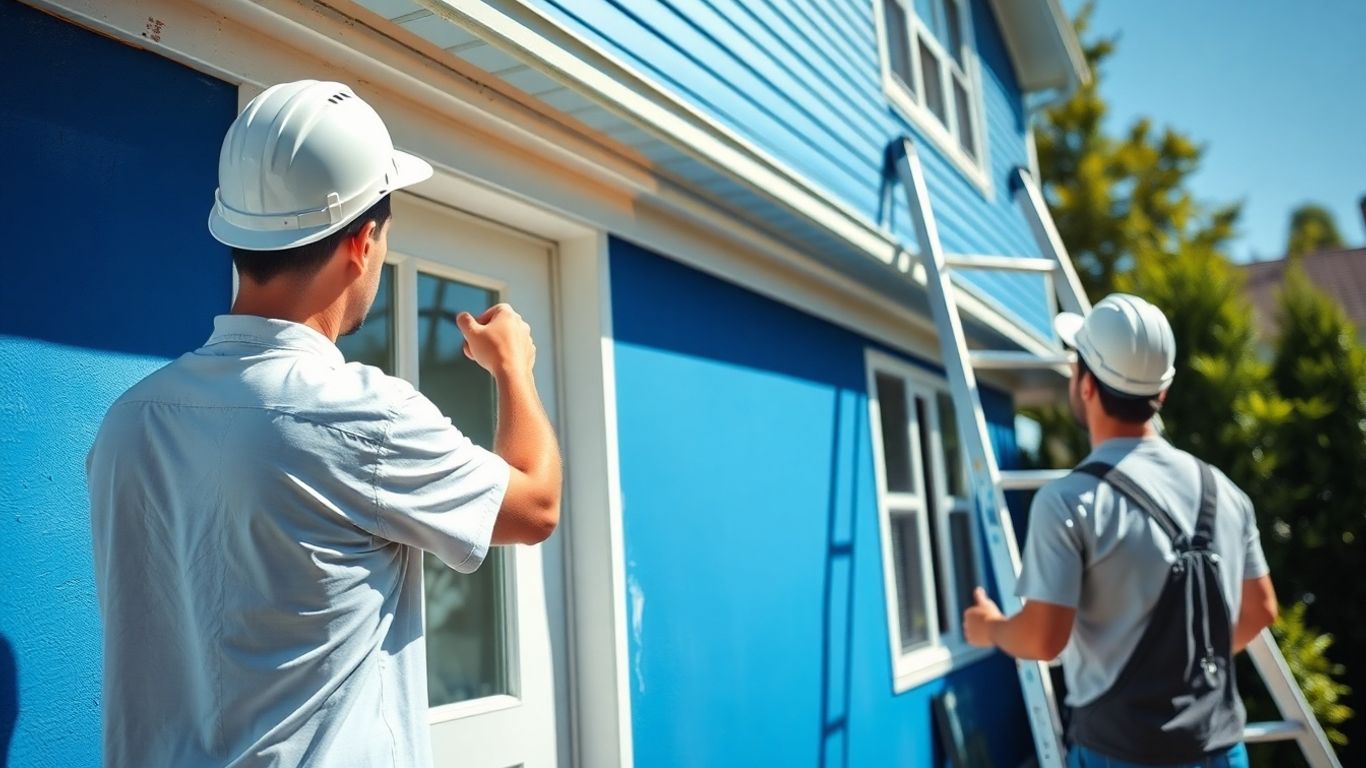
Alright, so you’ve picked your painter, and you’re ready to get things rolling. Before anyone even thinks about touching a paintbrush, you absolutely need to get everything down in writing. A contract might seem like a formality, but it’s actually your best friend in this whole process. It protects both you and the painter, making sure everyone’s on the same page.
What should be in this contract? A good one will cover a lot of ground. Here’s a quick rundown:
- Scope of Work: This is the big one. It needs to clearly state exactly what areas are being painted, what prep work is included (like patching holes or sanding), and what finishes will be used. No vague terms allowed!
- Materials: Who’s buying the paint and supplies? The contract should specify if the painter is providing them and what brands or types of paint will be used. If you have specific preferences, make sure they’re listed here.
- Timeline: When does the work start? When is it expected to finish? Are there any specific dates you need to avoid or hit?
- Payment Schedule: How much is the total cost, and when are payments due? Often, there’s a deposit upfront, a payment midway, and a final payment upon completion. Make sure the payment milestones make sense for the project’s progress.
- Cleanup: What happens after the painting is done? The contract should mention that the painter will clean up the work area and dispose of any waste properly.
- Warranty: Does the painter offer any guarantee on their work? This is good to know in case any issues pop up later.
Sometimes, painters might present a standard contract. It’s totally okay to ask questions and even suggest changes if something doesn’t feel right or isn’t clear. Don’t be afraid to ask for clarification on anything you don’t understand. It’s your home, and you have a right to know exactly what you’re agreeing to.
Here’s a little table to help you think about the costs:
| Item | Estimated Cost | Actual Cost | Notes |
|---|---|---|---|
| Paint (Primer, Topcoat) | $XXX | $XXX | Brand, finish type specified |
| Labor (Prep & Paint) | $XXX | $XXX | Hourly rate or fixed project cost |
| Supplies (Brushes, etc.) | $XX | $XX | Drop cloths, tape, rollers, etc. |
| Total Estimated Cost | $XXXX | $XXXX |
Remember, a well-written contract is a sign of a professional painter. If someone is hesitant to put things in writing, that’s a big red flag. Take your time, read everything carefully, and don’t sign until you’re completely comfortable with the terms.
7. Discussing Paint Types and Brands
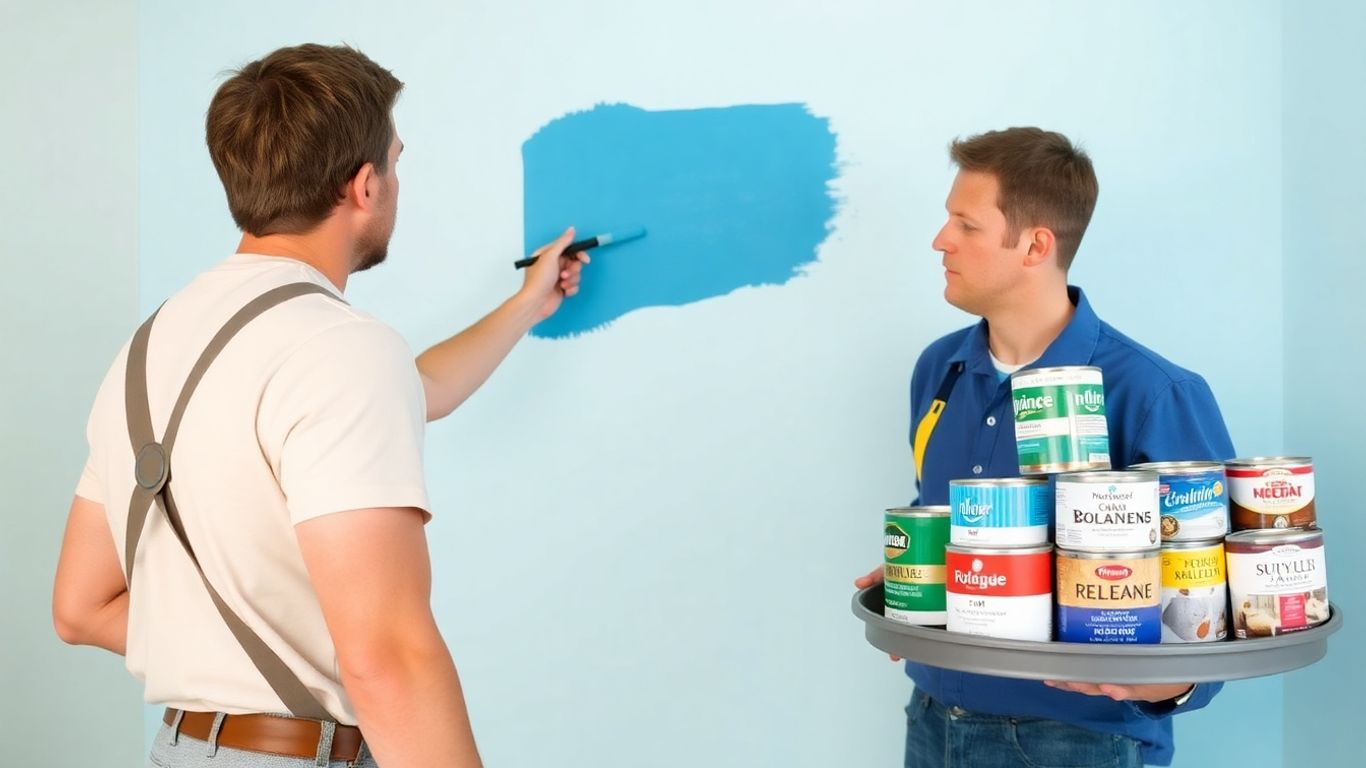
Alright, so you’ve picked out your painters, and now it’s time to talk paint. This might seem like a small detail, but it really makes a difference in how your walls look and how long that fresh coat lasts. Choosing the right paint is just as important as having a good painter apply it.
There are a few main types of paint you’ll run into, and they’re usually categorized by their finish or sheen. Think of it like this:
- Flat/Matte: This finish doesn’t reflect much light, so it hides imperfections really well. It’s great for ceilings and low-traffic areas like adult bedrooms. However, it’s not very washable.
- Eggshell/Satin: These have a little bit of shine, making them more durable and easier to clean than flat paint. They’re a popular choice for living rooms, hallways, and even kids’ rooms.
- Semi-Gloss/Gloss: These are shiny and very durable, perfect for trim, doors, and bathrooms or kitchens where moisture is a factor. They’re super easy to wipe down, but they’ll show every little bump or flaw on the wall.
When it comes to brands, you’ll see names like Sherwin-Williams, Benjamin Moore, Behr, and Valspar everywhere. Most professional painters have their favorites, often because they know they can rely on the quality and consistency. Don’t be afraid to ask your painter what brands they prefer and why. They might have specific reasons, like better coverage or durability, tied to certain product lines.
Your painter will likely have a go-to brand or two they trust for most jobs. They know which paints hold up best over time and which ones apply smoothly. It’s a good idea to listen to their recommendations, as they’ve seen these paints in action on countless projects.
Sometimes, you might want a specific type of paint, like an eco-friendly or low-VOC (volatile organic compounds) option. These are better for air quality, especially if you have kids or pets, or if someone in the house has allergies. Just be aware that some specialty paints might cost a bit more.
8. Scheduling the Painting Project
Alright, you’ve picked your painter, you know what you want painted, and you’ve talked about the paint itself. Now comes the part where you actually get it on the calendar. Scheduling isn’t just about picking a date; it’s about making sure everything lines up so the job goes smoothly.
The best time to schedule often depends on the type of work. For interior jobs, you might have more flexibility year-round. Exterior painting, however, is really weather-dependent. You don’t want rain, extreme heat, or freezing temperatures messing with the paint’s application or drying time. Most painters will have their busy seasons, usually spring and fall for exterior work, so booking in advance is a good idea.
Here are a few things to consider when you’re locking in those dates:
- Painter’s Availability: Ask them directly when they can start and how long they estimate the job will take. Get a clear timeline.
- Your Schedule: Make sure you’re available for key parts of the process, like the initial walkthrough, final inspection, and payment.
- Weather Forecast: For exterior projects, keep an eye on the weather. Have a backup plan or a contingency for a few rainy days.
- Other Home Activities: Try not to schedule painting during major events or when you have lots of guests. It can be disruptive.
When you agree on a start date, get it in writing. This helps avoid misunderstandings later on. It’s also good to confirm the estimated completion date, though remember that can sometimes shift due to unforeseen issues.
Don’t forget to ask about their policy on delays. What happens if it rains for a week straight? What if they run into unexpected issues with the surface? Understanding these points upfront can save a lot of headaches. Planning ahead for house painting makes the whole experience much less stressful.
9. Preparing Your Home for Painters
Alright, so the painters are coming soon, and you want to make things as smooth as possible for everyone. A little prep work on your end can save a lot of headaches later. Think of it as setting the stage for a great performance.
First things first, you’ll want to clear out the rooms that are getting painted. This means moving furniture away from the walls. If you have really heavy stuff, like a grand piano or a massive bookshelf, you might need to shift it to the center of the room. Don’t worry too much about covering everything perfectly; the painters will do that, but getting the bulk of it out of the way is a big help. Also, take down any wall hangings, curtains, or blinds. It’s easier to do this yourself now than to have them potentially get in the way or get accidentally splattered.
Here’s a quick checklist to get you started:
- Remove Valuables: Take down artwork, mirrors, and any decorative items from the walls and shelves.
- Clear Surfaces: Empty tabletops, countertops, and shelves in the work areas.
- Move Furniture: Shift furniture towards the center of the room, at least a few feet from the walls.
- Protect Floors: While painters usually cover floors, it’s a good idea to remove small rugs or floor mats.
- Address Obstacles: If there are large, immovable items, discuss them with your painting company beforehand.
Don’t forget about the little things. Remove outlet covers and switch plates – it’s much easier for the painters to do a clean job around the edges if these are off. If you have any pets, make sure they have a safe and comfortable place to stay during the painting process, perhaps in a room that isn’t being painted or even outside if the weather permits. This keeps them safe and prevents them from getting underfoot.
It’s also a good idea to have a quick chat with the painting crew leader when they arrive. Point out any specific areas you’re concerned about, like existing scuffs or areas that might need extra attention. This open communication helps set expectations and ensures everyone is on the same page before the brushes start rolling.
Finally, consider any small repairs you might want done before painting. Filling small nail holes or cracks can make a big difference in the final finish. While some painters offer minor patching, it’s best to clarify what’s included in their service. Getting your home ready is a team effort, and your part is pretty important for a smooth painting project.
10. During the Painting Process
So, the painters are finally here, and your house is about to get a fresh coat! This is where the magic happens, but it’s also a good time to stay involved.
Keep communication lines open with your painting crew throughout the project. A quick chat each morning or evening can head off any misunderstandings before they become big issues. Don’t be afraid to ask questions if something seems off or if you’re curious about a particular step.
Here’s a general idea of what you can expect and how to manage it:
- Daily Check-ins: Make time to briefly talk with the lead painter. Ask about the progress, what they plan to do next, and if they’ve run into any unexpected problems.
- Observe the Work (from a distance): You don’t need to hover, but a casual look at how they’re prepping surfaces, applying paint, and cleaning up can be informative. Are they taping off areas carefully? Is the paint going on evenly?
- Address Issues Promptly: If you notice something that doesn’t look right – maybe a missed spot or uneven coverage – point it out as soon as possible. It’s much easier to fix while the paint is still wet or the area is still accessible.
- Protect Your Belongings: Even with drop cloths, some dust or stray paint can happen. Keep valuables, electronics, and anything you’re particularly worried about covered or moved to a safe space.
It’s important to remember that painting is a process with multiple stages. There’s prep work, the actual application, and then touch-ups and cleanup. Each stage takes time, and sometimes things don’t go exactly as planned due to weather, surface issues, or other unforeseen circumstances. Patience is key.
If you’ve agreed on a specific paint schedule, check if they’re sticking to it. Sometimes delays happen, and that’s okay, but it’s good to be aware of them. For example, if they planned to do the exterior trim today but it’s raining heavily, they’ll likely shift tasks around. Just make sure you’re kept in the loop about any significant changes to the timeline.
As you get into the actual painting, remember that careful preparation makes a big difference. Take your time with each coat, allowing it to dry properly between applications. This ensures a smooth, lasting finish that looks great. For more tips on achieving a professional look, visit our website!
Ready for a Fresh Look?
So, finding the right painters for your home might seem like a big task, but it doesn’t have to be. Taking a little time to look around and ask the right questions really pays off. A good paint job makes a huge difference, making your home feel new again. If you’re in Orlando and thinking about house painting in Orlando, remember that the team at The Awesome Painting Services is here to help. We’re all about making your interior painting Orlando dreams a reality, with friendly service and great results. Don’t hesitate to reach out to us for a quote or just to chat about your project. We’d love to help you get that perfect finish!
Frequently Asked Questions
What should I consider before hiring painters in Orlando?
Before you hire any Orlando painters for your house painting in Orlando, think about what you want done. Do you need the inside of your home painted, or just the outside? Knowing this helps you find the right pros. At The Awesome Painting Services, we help you figure out exactly what your project needs.
How do I find good local painters?
Look for painters who have good reviews and have been around for a while. Asking friends or neighbors for recommendations is a great start. You can also check online for local services. The Awesome Painting Services has many happy customers in the Orlando area who can tell you about their great house painting experience.
What proof should painters provide?
Good painters will show you proof they are licensed and insured. This protects you if something goes wrong. They should also have plenty of examples of their past work. The Awesome Painting Services is fully licensed and insured, and we’re proud of the quality interior painting Orlando homeowners trust.
Should I see examples of a painter’s work?
Absolutely! A painter’s portfolio shows their skill and style. Look for pictures of jobs similar to yours. This helps you see if their work matches what you’re looking for. The Awesome Painting Services has a portfolio showcasing our beautiful transformations for homes in Orlando.
Why is it important to get multiple price estimates?
Getting a few price quotes helps you understand the average cost for your project. It also lets you compare what different painting services offer. Don’t just pick the cheapest one; make sure you’re getting good value. The Awesome Painting Services offers fair pricing for top-notch house painting in Orlando.
What should be in a painting contract?
A contract should clearly list everything: the work to be done, the colors, the cost, the payment schedule, and the timeline. It’s your agreement with the painters. Always read it carefully before signing. The Awesome Painting Services provides clear, detailed contracts for all our interior painting Orlando projects.